Flowing
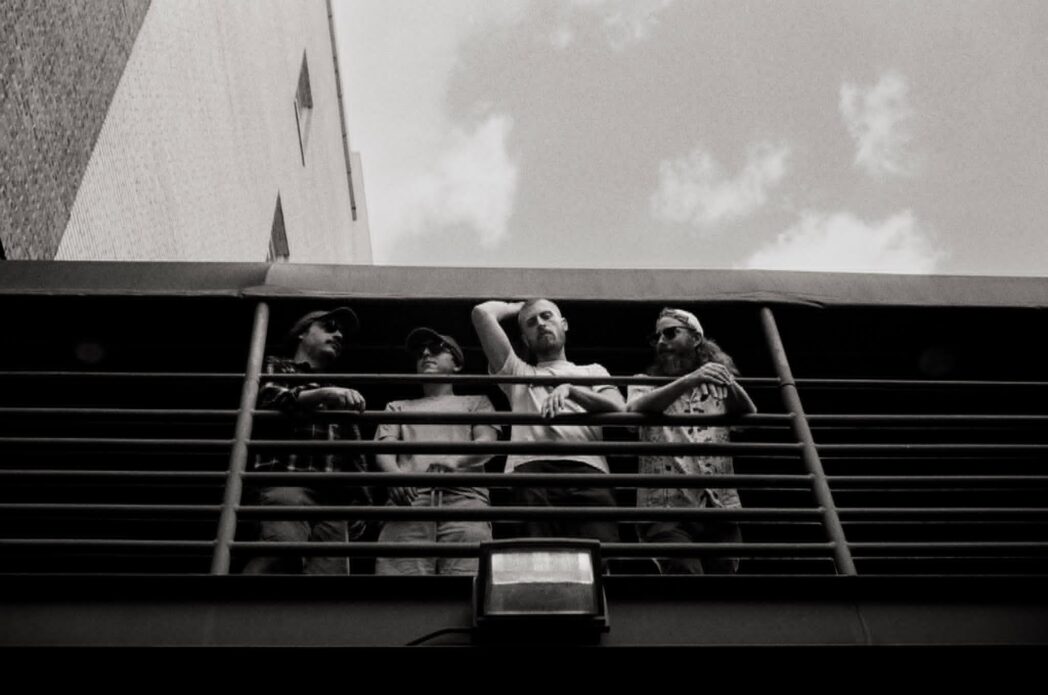
Formed by a group of friends who have been members of Birmingham’s punk/hardcore scene since their teens, Flowing overflows with a chaotic, melodic, and energetic sound that they dub “Southeast Emo.”
Earlier this month, the band dropped their debut album, Dismalites, which features the driving rhythms of “Postcard,” the guitar heroics of “Gilded,” and the distorted dreaminess of “Sleepless Heat.”
We interviewed the band about the new record, growing up in the scene, and how they feel about it now as adults.
Chris K. Davidson for Magic City Bands: So, yeah, before we get into the band history, because I’ve never interviewed a full band, I’ll give you all the opportunity to give one to two minutes of your personal musical journey.
Sam Goodwin (drums): I have been playing drums since fifth grade. I’m not going to say what year that was, but over 25 years at this point. Some previous bands I was in were Birmingham Red Dog Alley, Shapes Like Dinosaurs, Flighting. I’m sure there’s more.
Those are the ones I liked the most. Light Skits. That’s just me. I do forget that one. This is the first kind of full band that I’ve been in for a long time. So, it’s been really fun kind of collaborating on songs. My project before this was a solo project, so it was a lot of my own ideas. But it’s been really interesting throwing ideas out there, and all of us working on them together. That’s been kind of a band evolution as we’ve gone along. It’s been really fun seeing how our different styles collaborate on songs, and I think that comes through a lot on the album as well.
Brandon Barrow (vocal, guitar): I’ll go next. I’ve been a longtime drummer, probably 22 years, and I picked up guitar during COVID. So, I’m pretty new to guitar. I’ve been in a bunch of bands as a drummer primarily. Aforenotation was probably the longest-running one, but I played drums in several hardcore bands. Strike Zone recently.
I reached out to Ben originally to start this band as a hardcore band because I wanted to play guitar, do some vocals, and get out from behind the drum kit. We wrote some riffs initially, and it just kind of evolved organically. I’m super pleased that it did because this is more fun.
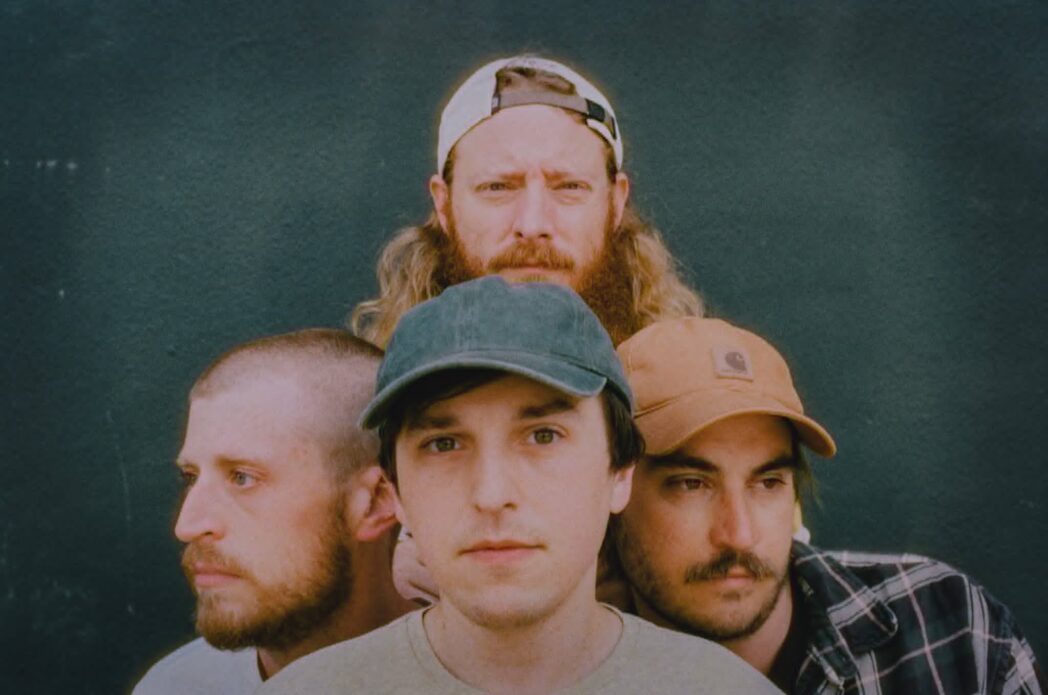
Ben Lombard (lead guitar): Similar to these guys, I’ve been playing guitar as long as I can remember. I was in a hardcore band called Empty way back in the day, in high school, and then a pop punk band called Sunny in Denver for a brief period of time. I really have just been kind of a bedroom musician for the last probably 20 years. I just had been playing by myself writing random things, and a lot of that lent itself to kind of what came out on the album.
Jason Byrum (bass): So, I started playing guitar when I was probably 14 or 15. I was big into punk music. I played in a punk band called Hot Collar back in the day. I guess 2002 or 2003.
BL: Why are you saying dates?
JB: I played a lot of shows down here. and always enjoyed playing music, but just hadn’t been in a band really since then. Kind of like Ben, I had been a bedroom musician for most of my adult life. But I picked up bass. I played guitar forever. And then Ben asked if I wanted to meet these guys and start playing some music. And they didn’t have a bass player. So, I decided to figure out how to do it.
SG: He said, “How attractive are they?”
JB: It’s been a lot of fun collaborating with everybody, getting back into a band environment, and being able to play shows and stuff like that. It’s very fun.
BB: You could not tell he’s not originally a bass player. The lines and stuff he comes up with are amazing.
SG: I didn’t know until just this moment that you had not played bass in a band before.
BB: We’re all learning together.
BL: We tricked you all.
Jason and I grew up together through skateboarding and going to shows at Cave 9. We have known each other for probably 25 years at this point, and so it’s a similar thing that we’ve all known each other for a long time. I’ve known Brandon for 15 years, probably at this point. And Sam and I knew each other a little bit back in the day, similarly through shows. We all have had similar friendships. It’s been really easy to work together and be a band.
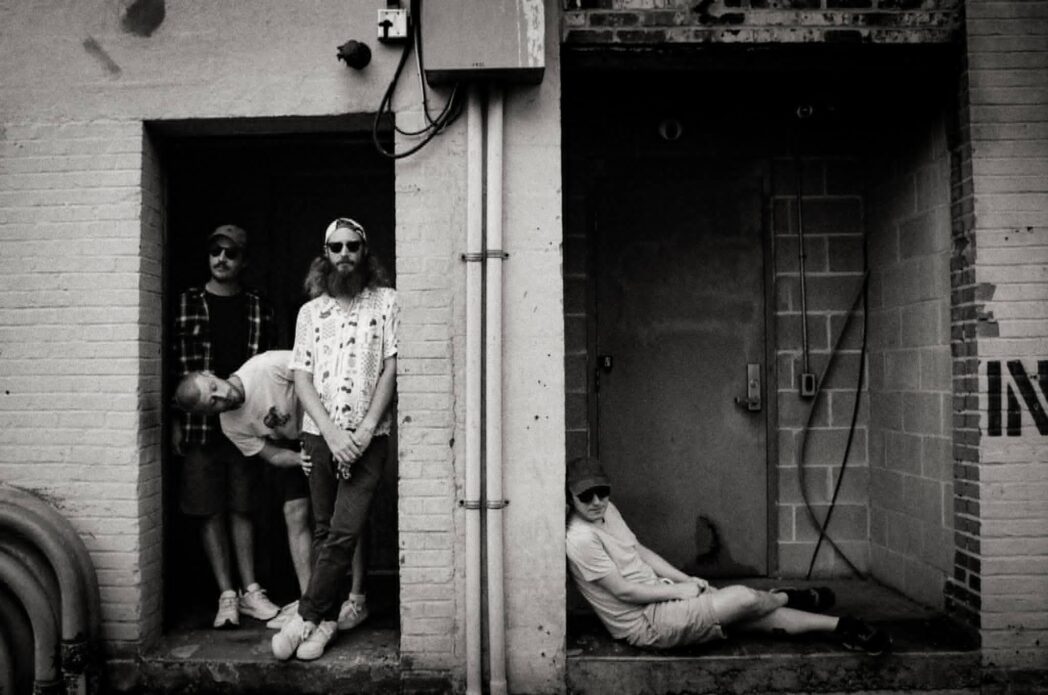
MCB: I’ve always thought the biggest benefit of the punk and hardcore scene is that it allows you to figure out how to be a band at a much younger age because you’re playing all-ages shows, and you can play in your garage all day, but you really know how to play together when you get on stage. I remember going to Smoothie Joe and Homewood Armory. I never made it to Cave 9, but I definitely heard about it from friends. It brings people together. That’s where you make some really cool friendships.
BL: I think there’s a little bit of that in being in this band for all of us. We all were in bands when we were younger, and that kind of feeling of how fun it is to play a show, or to write songs with your friends, and then go out and play them for people. It makes all of this feel even more fun because it’s like, “yeah, I remember how this feels.”
And I was going to say just like you were saying when you’re younger…
SG: You’re kind of having different reasons for playing shows, I guess. Or when I was playing at Cave9 and Bottletree, I mean, that was about like these are my people against my parents, I’m getting out of the house and playing my music. But now, I joke that we’re not all dads, but we’re all emo dads.
And in attitude, I think that now we’re just playing to release some creative energy to find some, I’ll say, brightness for me in the week. But also, we don’t stress if we don’t practice for a week or two or whatever because we’re all busy and adults and that’s how it goes. So, it’s been really nice having a drama-free band from my end, for sure.
BB: It’s a very fun hobby for sure.
SG: But then this new album turned out better than any of us expected, honestly. And we’re all really proud of it.
BB: We’re some of our biggest fans.
MCB: Let’s move on to the record. First, I want to start with the title, Dismalites. I’ve never heard that phrase before.
BL: So, there’s a type of glowworm that really only exists in two places on Earth. One of them’s in New Zealand, and the other one is a place here in Alabama called Dismals Canyon, and the variety that lives here is known as Dismalites. So that’s where the name comes from, just a type of glowworm that only exists here in Alabama.
MCB: Did any of the songs from your first EP carry over to the album?
BB: No, they’re all brand new.
We’d like to eventually record those first two and put them on a future release, especially because we’ll be doing physical media of Dismalites and future releases, and we may even do a seven-inch of the first two songs. But yeah, it’s all new stuff.
MCB: Where did you record the album?
BB: Another one of my hobbies is audio production and recording, so that’s another thing I got into during COVID. Other people made bread. I made bad recordings and figured out how to put them on Spotify.
So, we recorded at my house all the instruments, and then I mixed the whole thing. And then it was mastered by Matt Qualls up in Memphis. We had heard about him, or I basically looked up who did the mastering for Cash Langdon’s new record, Dogs, which came out like a year or two ago.
Of course, mastering is a kind of finishing stage, so I knew it wasn’t going to make it sound like Dogs, but I was like, “This guy clearly knows what he’s doing, though, so I’m going to reach out to him.”
SG: Yeah, we had a bunch of sessions in Brandon’s basement, and his family was kind enough to not kick us out after months and months of “just one more little drum part.”
BL: Ben’s guitar really does need to be that loud for two hours. Just give us two hours.
SG: Brandon spent a lot of time on it. Definitely one of the best-sounding drum kits I’ve had on an album. So, I really love how you can hear all the individual elements when we were mixing it. We really tried to make sure that no one was sticking out or hidden because we kind of joke that we’re all playing lead at all times in our songs. I think we take a different approach than most songwriters, and that we’re like, “How can we make this more interesting,” or “how can we make this a little more different than the other stuff that’s out there?”
BB: Yeah, it’s kind of a marriage of improvisational kind of mathy stuff with pretty traditional conventional pop-like rock sensibilities.
MCB: Is it a collaborative songwriting process?
BB: Ben is really our main riff writer. And then a couple of the songs on there are Sam’s original riffs. One of them is mine. And some are Jason’s.
Somebody will take a riff, and then basically I’ll just put chords and vocal melody to it, and that’s kind of how it evolves.
SG: It really is a fun process writing songs as a band because one person brings a start to a song, and then everybody kind of adds to it until it feels like a finished song.
JB: You could put each song in a little bit of different genres. One of us will start, and the song generally sounds that way, with something that we bring to practice, but then as we start to collaborate, it becomes Flowing. It becomes our sound, but you can still kind of hear our individual influence and the overarching tone of each song. So, I think that’s a really cool thing we’ve gotten to experience.
MCB: I feel like you released the album at the perfect time. It really does reflect a summer in Alabama, especially with songs like “Gilded.”
BB: With “Sleepless Heat,” at least the title stems from the sentiment of it being too hot to sleep in the summer in Alabama.
BL: I was going to say we all kind of joke that the genre that we claim is Southeast emo.
BB: Sort of like Midwest emo, but Southeast emo. It’s got a little twang to it. There’s some Southern rock roots to it, but it’s also got where we also all came from when we were younger, the hardcore/pop-punk sensibility to it, kind of layered in there. And so, kind of like Sam said, we’ve all kind of evolved as musicians from when we were younger and kind of grown individually. And so, we all kind of bring what we hear in it to each song.
BL: I didn’t expect this riff that I brought to practice to turn into that or those kinds of things. So, it’s been really fun.
I was thinking about you saying this is perfect timing for this album. We were laughing because it’s been exactly a year since we put out the first EP. Maybe we write summer music, guys.
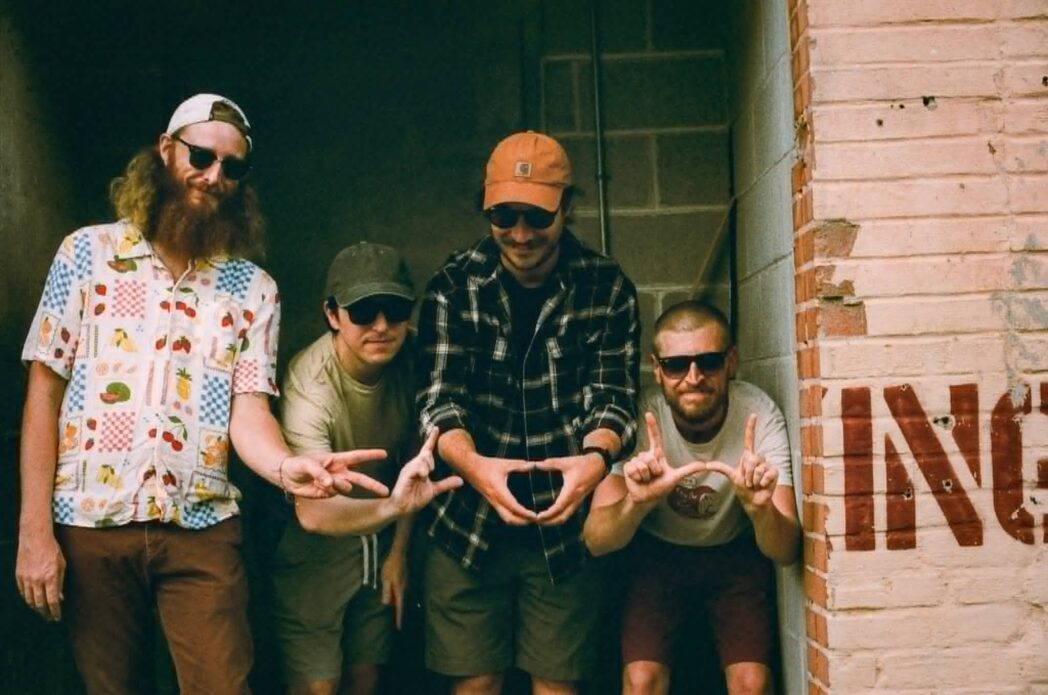
MCB: You guys mentioned at the beginning that you’ve all spent time in the scene and been through different bands and all that. How do you view it now, as far as what you see now that is different than when you were playing back then?
BB: The DIY scene in Birmingham, in particular, is super strong. I really love all the bands and activity, and just the engagement that there is. especially in the hardcore and indie songwriter scene. And outside of that, Workplay has made a resurgence and Furnace Fest is still going.
BL: I feel like we mentioned all of them. There were four venues for bands like us to play at, where you could, if you were a new band, get in and go play a set.
And now it feels like there’s so much more opportunity for bands to kind of get out there, and so many more people who are interested in coming to check out what a band’s doing these days. So like Brandon said, it feels very strong. It was strong then because we had such a smaller community and really everybody kind of rallied around it, but it feels like that’s kind of grown and there’s just more and more opportunity these days.
BB: There’s been great culture in particular with the Firehouse and how they do classes for students and let them put on shows and things like that, and just cultivate new talent. Girls Rock, that program, my stepdaughter was in that a long time ago, and I think we’re gonna put my younger daughter into that because she’s expressed an interest. And then, The Punk Rock Flea Market, all that kind of stuff, builds towards community. They strive for inclusion, which is a strong passion. It’s very wholesome and welcome.
SG: I’ll say from my perspective, it’s just a little different, I feel like I took a decade break, and now I’m like trying to get back in it. And when I was a kid, that was kind of part of my culture. I mean, I was going there because that was what I did. That was my interest. I was going to shows, and now as an adult and a parent, I’m like, I’d love to play at your venue, but I don’t have time to go to all your shows and support you really as a community.
So, I mean, I do think it’s awesome. It’s been interesting at coming in as an adult and seeing what kind of venues we have been booking and then what kind of venues we don’t get a response from. I don’t know, I probably would have gotten a response from them back in the day. I don’t know if that’s cred or what, but I mean, I was in bands back then more than I am now.
I mean, we’ve played at Workplay a couple of times, we played at True Story Brewing, just different kinds of venues that we’re playing now versus what we were playing when we were kids. Because I mean, I know I played Cave 9, Bottletree, and The High Note. I mean, so many times. So, it is just kind of a different scene now, but I feel like it’s not better, just different.
MCB: Last question I ask every interview I do. Because we have four people, I’m just going to break it down to one album you can listen to from start to finish at any point.
BL: I’ll say, and this is kind of a random pick, but Grateful Dead Cornell 77. I could listen to it forever. Four hours of music, and I could listen to it start to finish every day forever. “Brown-Eyed Women” from that album has been my alarm tone for 10 years.
BB: Vhiessu by Thrice
SG: Summer in Abbadon by Pinback
JB: All right, I’ll go then. I’m waffling back and forth in my head. I know the right answer. It’s Led Zeppelin IV.
You can check out Flowing’s music on Spotify, buy it on Bandcamp, or browse their merch.
Photos by Michael Bradt. Chris K. Davidson is a writer and musician in Birmingham.